“colonial system” search results (500)

Kenya Coffee production area introduces Berman Manor Kenya Coffee Bean Manor Kenya aa
There are two types of coffee farms in Kenya. One is a large plantation that covers an area of more than five acres, but the average elevation is low. In the case of Kenyan coffee, the coffee beans of the large farms are of medium quality. The best Kenyan beans come from small farms, most of which are located in the foothills or volcanic slopes above 5,000 to 6,000 feet. Each small farmer has a capacity of only 20 to 70 bags per season.
2016-07-26 Kenya coffee producing areas introduction Berman manor coffee beans
The price of civet coffee The characteristics of civet coffee Introduction to civet coffee
Cat poop coffee, Indonesia. In the early 18th century, the Dutch established coffee plantations in the Indonesian colonies of Sumatra and Java, and prohibited the locals from picking and eating their own coffee fruits. Indonesian locals accidentally discovered that civet cats love to eat these coffee fruits and will expel the beans intact when defecating. Civets only pick the best.
2016-05-05 musk coffee price characteristics profile
The origin of civet coffee Kopi Luwak what is the price of civet coffee
Civet Coffee Editor Muscat Coffee (Kopi Luwak), produced in Indonesia. It is one of the most expensive coffee in the world, with a price of several hundred dollars per pound. It is extracted from the feces of the civet and processed. The civet eats the ripe coffee fruit, which is excreted by the digestive system and fermented by the stomach.
2016-04-30 Musk coffee cat shit the origin what is it the price
What is the basic knowledge that coffee beginners must know?
Coffee (Coffee) (the word comes from a small town in Ethiopia called kaffa, and in Greek Kaweh means strength and passion. Tea, coffee and cocoa are called the three major drinks in the world. Coffee tree is a small evergreen tree of Rubiaceae. Daily coffee is made of coffee beans combined with a variety of cooking utensils, and coffee beans refer to coffee fruit.
2015-03-06 What coffee novice must know get started knowledge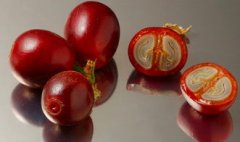
What is Coffee Coffee
Coffee (Coffee) (the word comes from a small town in Ethiopia called kaffa, and in Greek Kaweh means strength and passion. Tea, coffee and cocoa are called the three major drinks in the world. Coffee tree is a small evergreen tree of Rubiaceae. Daily coffee is made of coffee beans combined with a variety of cooking utensils, and coffee beans refer to coffee fruit.
2015-03-12 What? coffee details introduction.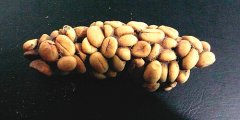
Civet boutique coffee introduction civet coffee unique quality civet coffee acidity civet
Civet Coffee (Kopi Luwak), native to Indonesia. It is one of the most expensive coffee in the world, with a price of several hundred dollars per pound. It is extracted from the feces of the civet and processed. The civet eats the ripe coffee fruit and is excreted through the digestive system. After it is fermented through the stomach, the coffee produced has a special taste and has become a hot spot in the international market.
2016-03-22 Musk boutique coffee introduction uniqueness quality acidity musk cat shit
Cat shit Coffee Bean Kopi Luwak Price Starbucks Coffee Muscat Coffee Kopi Luwak Price
Kopi Luwak is made in Indonesia. In the early 18th century, the Dutch established coffee plantations in the Indonesian colonies of Sumatra and Java, and banned locals from picking and eating their own coffee fruits. Indonesian locals inadvertently found that civets love to eat these coffee fruits and will drain the beans intact when defecating. The civet can only pick the most familiar.
2016-05-04 Cat poop coffee beans coffee price buck musk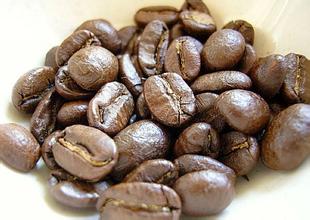
Civet Coffee Kopi Luwak Indonesian Coconut Cat unique acidity and taste
Civet Coffee (Kopi Luwak), native to Indonesia. It is one of the most expensive coffee in the world, with a price of several hundred dollars per pound. It is extracted from the feces of the civet and processed. The civet eats the ripe coffee fruit and is excreted through the digestive system. After it is fermented through the stomach, the coffee produced has a special taste and has become a grab in the international market.
2015-12-16 Musk coffee cat poop Indonesia coconut flavor unique quality acidity taste
An introduction to the characteristics of the manor producing area with a rich taste of Rwanda boutique coffee
Rwandans have been growing coffee since colonial times, but until 1999, its products were still classified as below Class C and were not popular in the global market. The reason for the poor quality is that farmers do not have a fixed procedure for washing coffee beans and do not process coffee fruits according to specifications in time. Buyers buy coffee beans at $0.33 per kilogram, and farmers keep warm by the meagre profits earned at low prices.
2016-09-07 Taste embellishment rich Rwanda boutique coffee flavor taste manor producing area
The characteristics of exquisite civet coffee the origin of Kopi Luwak the practice of civet coffee
Kopi Luwak is made in Indonesia. In the early 18th century, the Dutch established coffee plantations in the Indonesian colonies of Sumatra and Java, and banned locals from picking and eating their own coffee fruits. Indonesian locals inadvertently found that civets love to eat these coffee fruits and will drain the beans intact when defecating. The civet can only pick the most familiar.
2016-05-03 Exquisite musk coffee characteristics cat shit origin practice
Analysis of caffeine content in ice drop coffee and all kinds of coffee
Ice caffeine is a Dutch colony in Java, Indonesia, in the 17th century. It is said that the coffee extraction method used here was introduced by Dutch merchants, so it was named Dutch coffee Dutch Coffee. This kind of coffee drips with ice water for a long time, so it is also called coldbrew coffee cold (ice brew) or water drip coffee (ice drop). one
2016-07-26 Ice droplets coffee various production caffeine content analysis history 17th century
Kenya Jinchu Coffee Flavor description Grinding characteristics introduction of Fine Coffee in producing areas
Don't underestimate the small farmers in Kenya, they are just like ants, and their overall production capacity is higher than that of large farms, about six to four, which is quite rare in bean-producing countries. Kenyan coffee is widely appreciated by connoisseurs, thanks in large part to small farmers guarding the foothills and producing high-quality coffee. In addition, Kenya beans must have a strict grading system, according to the size of the coffee beans taken out by the washing plant.
2016-10-12 Kenya Jinchu coffee flavor description grinding characteristics variety producing area taste
Civet Coffee beans introduce civet Coffee Price death wish Coffee Man shit Coffee Blue Mountain Coffee
Kopi Luwak is made in Indonesia. In the early 18th century, the Dutch established coffee plantations in the Indonesian colonies of Sumatra and Java, and banned locals from picking and eating their own coffee fruits. Indonesian locals inadvertently found that civets love to eat these coffee fruits and will drain the beans intact when defecating. The civet can only pick the most familiar.
2016-05-04 Musk coffee beans introduction coffee price death wish human shit blue mountain
Introduction of Kenyan Coffee Flavor and Taste Fine Coffee beans in Kenya Coffee producing area
Kenya there are two types of coffee farms in Kenya. One is a large plantation covering an area of more than five acres, but the average elevation is low. In the case of Kenyan Coffee, the coffee beans of the large farms are of medium quality. The best Kenya beans are produced in small farms, most of which are located in the foothills or volcanic slopes above 5,000 to 6,000 feet. Each small farmer has a capacity of only 20 to 70 bags per season.
2016-07-29 Kenya coffee flavor taste introduction producing area boutique coffee beans
Introduction to the planting environment of Kenyan boutique coffee bean manor with delicious and slightly alcoholic aroma
There are two types of coffee farms in Kenya. One is a large plantation that covers an area of more than five acres, but the average elevation is low. In the case of Kenyan coffee, the coffee beans of the large farms are of medium quality. The best Kenyan beans come from small farms, most of which are located in the foothills or volcanic slopes above 5,000 to 6,000 feet. Each small farmer has a capacity of only 20 to 70 bags per season.
2016-08-19 Delicious delicious slightly fragrant Kenya boutique coffee beans manors producing areas species
Laos coffee is the only deep inland volcanic plateau coffee with a unique, mellow and full-bodied taste.
Boutique coffee (specialty coffee) is also called specialty coffee selection coffee. It refers to coffee made from a small number of raw beans with excellent taste grown in an ideal geographical environment. Depending on the special soil and climatic conditions in which they grow, they have outstanding flavor. After strict selection and classification, this kind of coffee is hard in texture, rich in taste and stylish.
2016-06-23 Laos coffee only near the sea inland volcano plateau coffee beans taste unique
Rwanda Coffee Origin Rwanda Coffee Taste
Rwandans have been growing coffee since colonial times, but until 1999, its products were still classified as below Class C and were not popular in the global market. The reason for the poor quality is that farmers do not have a fixed procedure for washing coffee beans and do not process coffee fruits according to specifications in time. Buyers buy coffee beans at $0.33 per kilogram, and farmers keep warm by the meagre profits earned at low prices.
2016-05-29 Rwanda Coffee Origin Taste Human colonization Times from Open
The flavor and taste of Ugandan coffee beans the characteristics of the manor producing area introduce the fine coffee beans of Uganda
The people of all parts of Uganda resisted the British aggression tenaciously. In 1893, Britain sent troops to occupy the Kingdom of Bunioro, and King Kabarega led some of the people to wage guerrilla warfare for six years. In 1897, King Mwaanga of Buganda raised his army against Britain and later joined Kabarega in the Rango region. In April 1899, the two kings were captured and the uprising failed. To make it easier to rule
2016-08-08 Uganda coffee beans flavor taste manor producing area characteristics introduction boutique
Introduction to the characteristics of the taste-rich Kenyan boutique coffee bean flavor manor
Don't underestimate the small farmers in Kenya, they are just like ants, and their overall production capacity is higher than that of large farms, about six to four, which is quite rare in bean-producing countries. Kenyan coffee is widely appreciated by connoisseurs, thanks in large part to small farmers guarding the foothills in order to grow high-quality coffee. In addition, Kenya beans must have a strict grading system, and the coffee beans taken out by the washing plant are large.
2016-08-17 Taste rich Kenya boutique coffee beans flavor manor producing area characteristics introduction
History of Rwandan Coffee A brief introduction to the Origin of Rwandan Coffee
The taste of Rwandan coffee is extremely special. Rwandans have been growing coffee since colonial times, but until 1999, its products were still classified as below Class C and were not popular in the global market. The reason for the poor quality is that farmers do not have a fixed procedure for washing coffee beans and do not process coffee fruits according to specifications in time. Buyers buy coffee beans at $0.33 per kilogram, and farmers rely on low prices.
2016-05-25 Rwanda coffee history origin profile taste extreme special